Presented by the Hibba Center and the Zalman Shazar Center
The Baqashot Tradition of Aleppo’s Jewish Community
Twelve filmed lessons with paytanim who grew up within Aleppo’s living tradition. In every lesson, you will learn the original melody of each piyyut, the maqam to which it belongs, and the story of who wrote it and when.
01 The Tradition
What is the Baqashot Tradition?
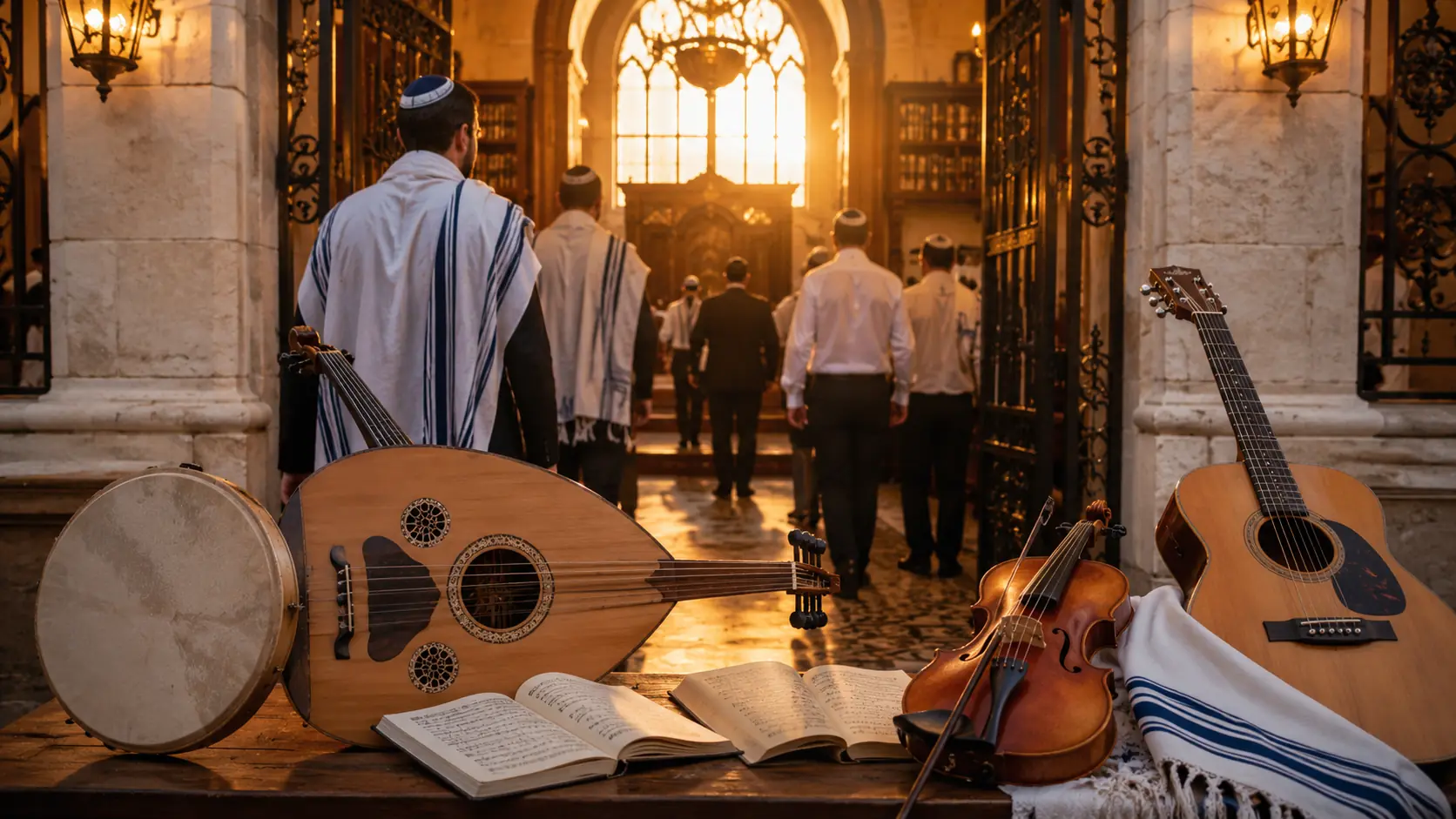
On winter Shabbat mornings, before dawn, Aleppian Jewish communities gather in their synagogues to sing until daybreak. The Aleppian Bakashot tradition is regarded as one of the most musically and poetically intricate traditions of Eastern Jewry—and to this day it is passed down orally, from paytan to student.
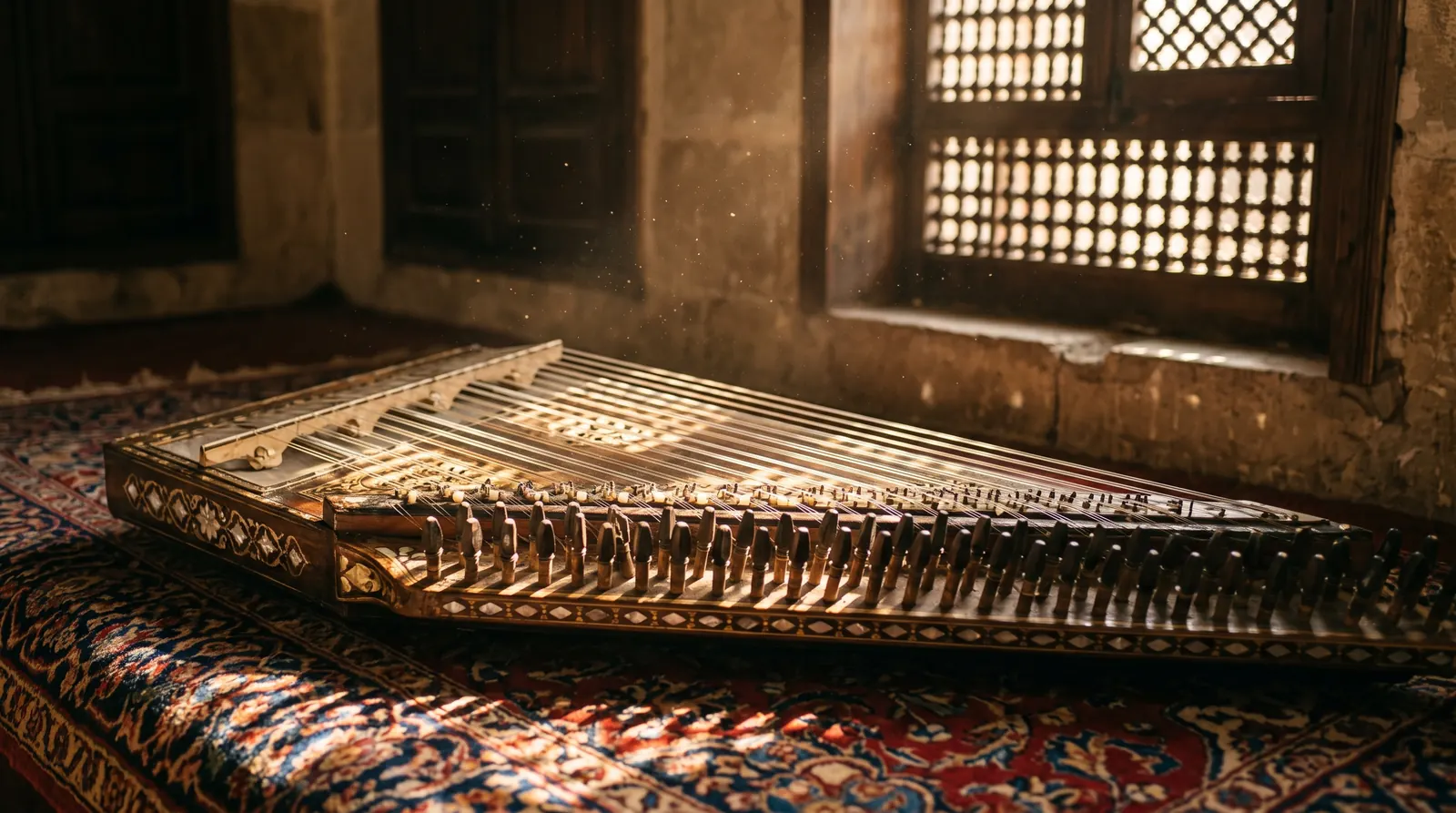
The tradition is built on an established system of maqamat, musical modes that change from one Shabbat to the next. Its repertoire includes piyyutim from Spain’s Golden Age alongside later works by Aleppian sages and paytanim of the East. This course presents the repertoire systematically and precisely—for scholars, lovers of piyyut, and beginning paytanim.
02 Our Approach
How do you preserve a melody
that is centuries old??
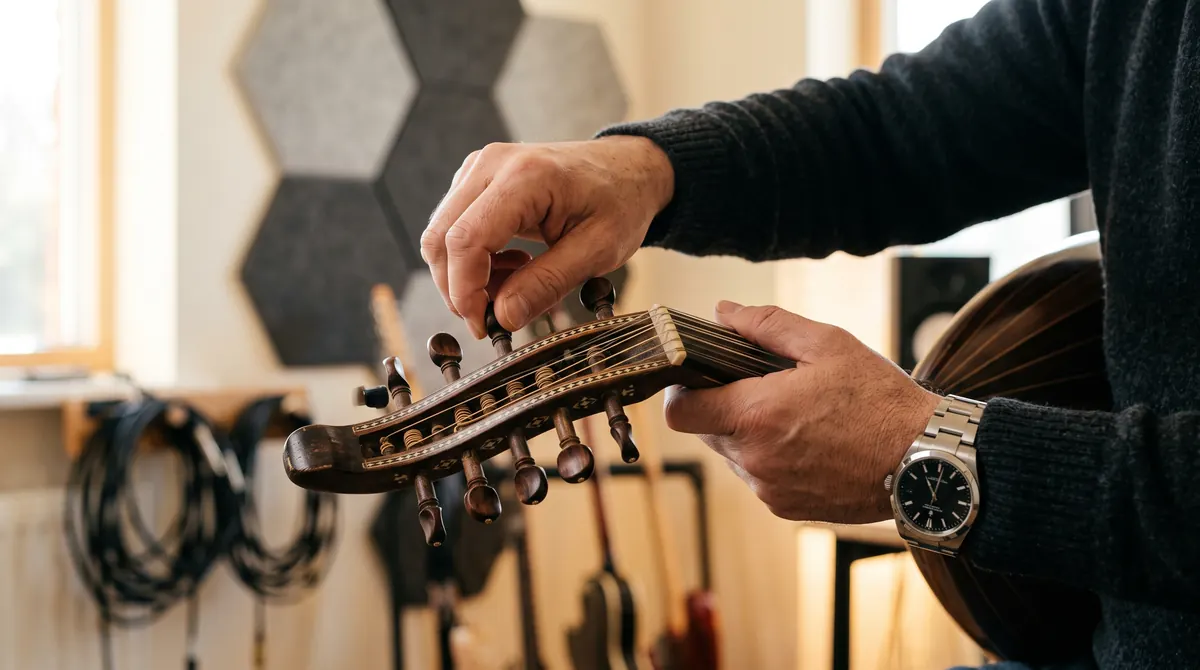
No shortcuts: what you hear in the course is the melody as it is sung in Aleppian synagogues, and every production decision was made in service of that accuracy.
-
Musical and Pedagogical Precision
The performances were recorded cleanly, with almost no mawwal-style flourishes or vocal improvisation, so the original melodies and instrumental openings reach you as they are.
-
Focused Learning Structure
For longer piyyutim with repeating melodies, selected stanzas were recorded—for example, the first and last—so learners can focus on the melody itself.
-
Chapters and Quick Navigation
Each episode is divided into chapters, allowing you to move from one piyyut to the next or jump directly from spoken sections to the musical openings.
-
Background and Historical Context
Between piyyutim, the course introduces the poet, the estimated date of composition, the maqam, and an explanation of the words, together with anecdotes about the cultural world in which the piyyut emerged.
-
High-Quality Production
Twelve episodes filmed and recorded in high-quality audio and video, each 25–40 minutes long.
-
Professional Musical Accompaniment
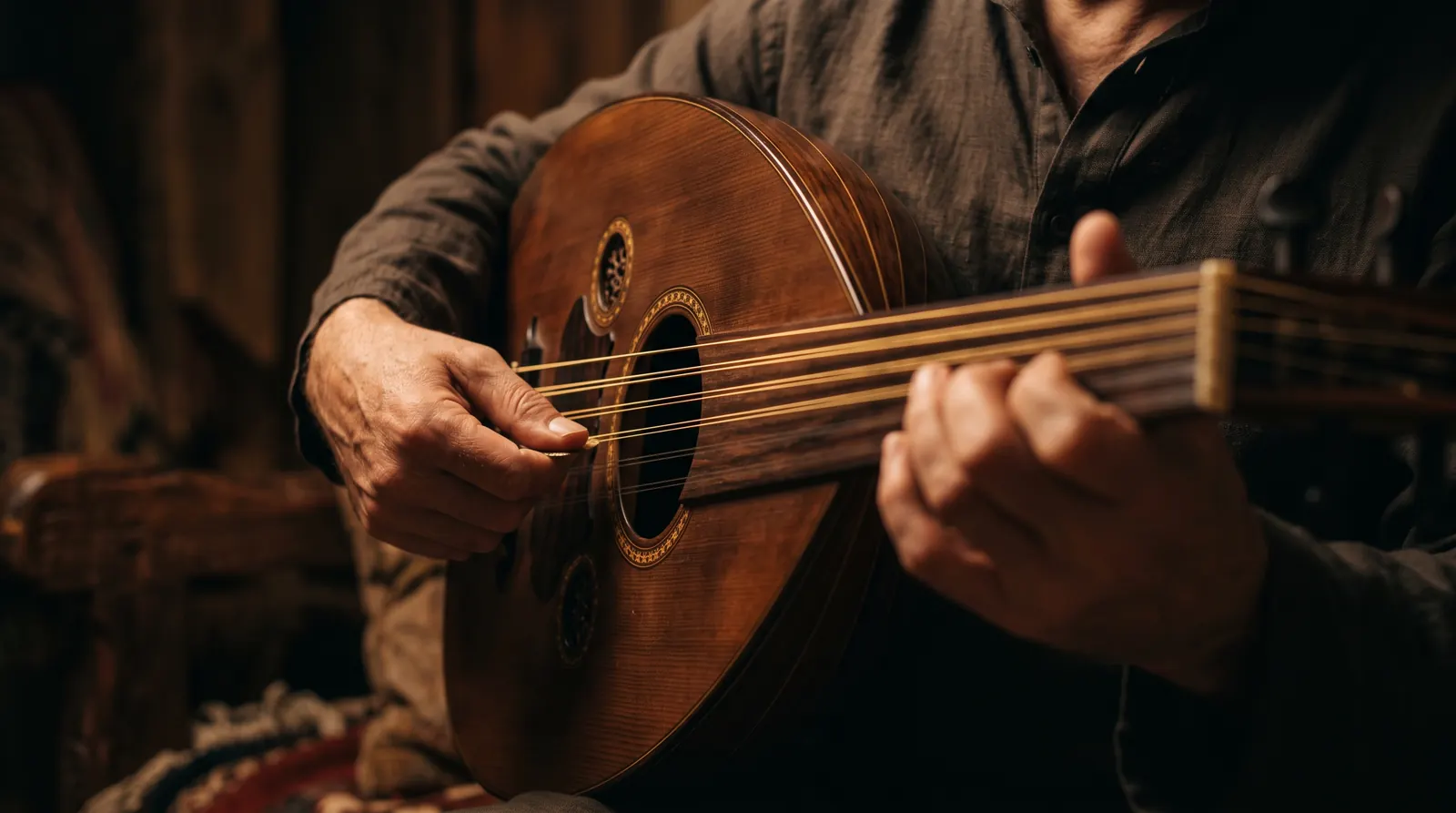
Clean accompaniment by a rotating group of professional musicians steeped in the tradition: David Shanavi, Yaron Menashe, Moti Nuri, and Dror Yehezkel.
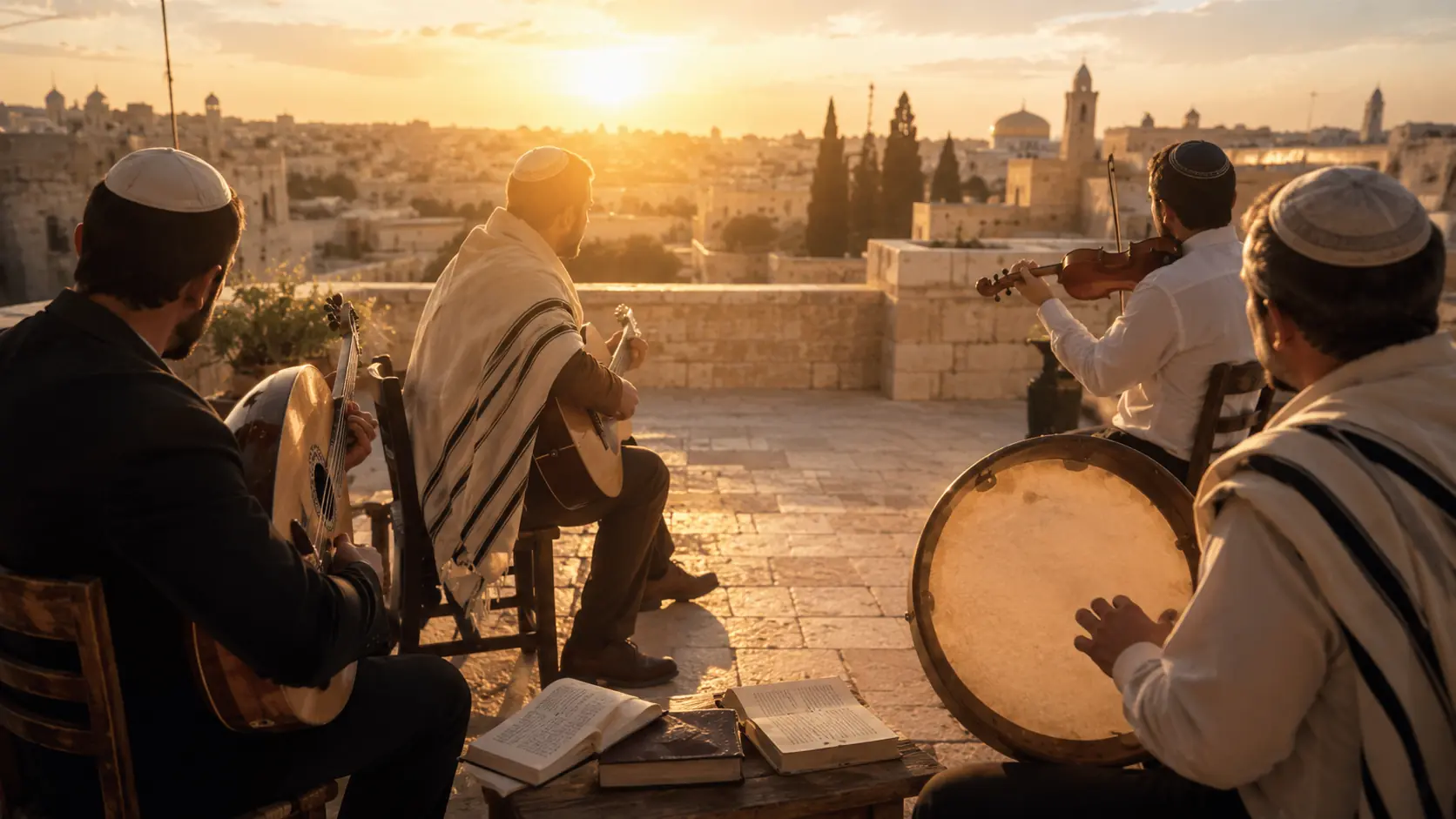
Four-thirty in the morning on a winter Shabbat. It is still dark outside, but the synagogue is already filled with song.
03 The Voices and the Knowledge
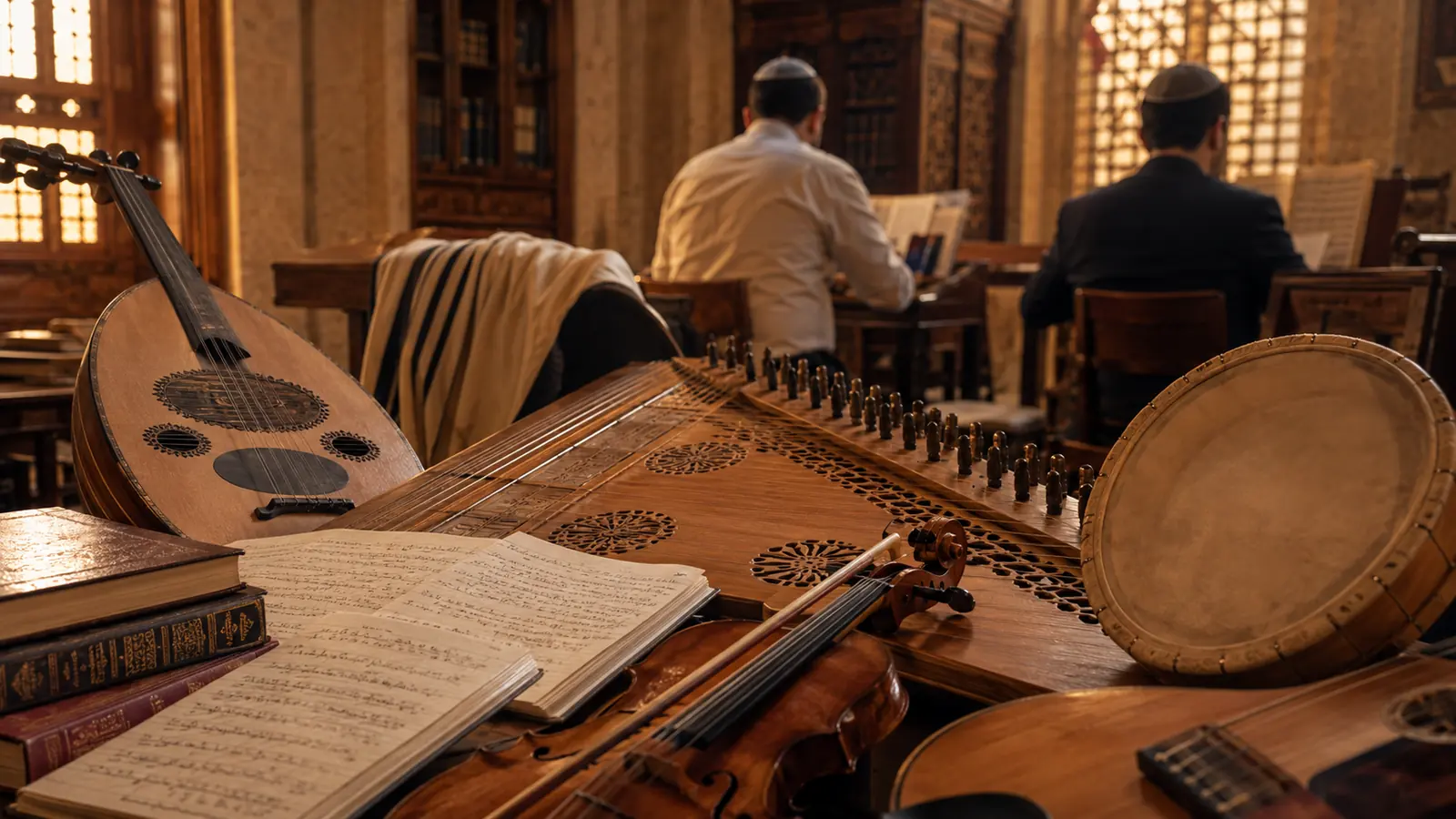
Musical Accompaniment David ShanaviYaron MenasheMoti NuriDror Yehezkel
04 The Complete Course
Course Contents
Full viewing access is available to course purchasers
Each episode opens with an introduction, is divided into chapters for quick navigation, and includes background on the poet, the date of composition, the maqam, and the meaning of the words.
05 Enrollment
Ready to learn the Bakashot??
Enrollment is simple: create an account, purchase the course, and every episode becomes available. Learn at your own pace—one lesson a week before Shabbat, or watch the full series in sequence.
- Access to all 12 full episodes and the introductory episode
- HD viewing with complete chapter navigation
- Self-paced learning, suitable for beginners
Ready to begin?
The complete course: twelve episodes and a bonus episode, available to stream directly on the website.
Purchase and viewing take place in Hibba’s course area. You can pay by credit card, and access opens immediately after registration.
06 Frequently Asked Questions
Everything You Wanted to Know
The course makes the Bakashot repertoire accessible in a systematic and precise way to scholars, lovers of piyyut, beginning paytanim, and anyone seeking a connection to the musical tradition of Aleppian Jewry.
The course includes twelve episodes filmed with high-quality audio and video, each 25–40 minutes long. It also includes a bonus podcast conversation about the development of the tradition.
The performances were recorded cleanly, with almost no mawwal-style flourishes or vocal improvisation, to convey the original melodies as they are. For long piyyutim with repeating structures, selected stanzas were recorded so learners can focus on the melody.
Each episode opens with a short introduction to the world of Bakashot. Between piyyutim, the host provides concise background: the poet’s name, the estimated date of composition, the maqam, an explanation of the words, and historical anecdotes.
Every episode is divided into chapters for quick navigation, whether moving from one piyyut to the next or jumping directly from spoken sections to the musical openings.
The singing is supported by clean musical accompaniment from a rotating group of professional musicians steeped in the tradition: David Shanavi, Yaron Menashe, Moti Nuri, and Dror Yehezkel.